ABSTRACT
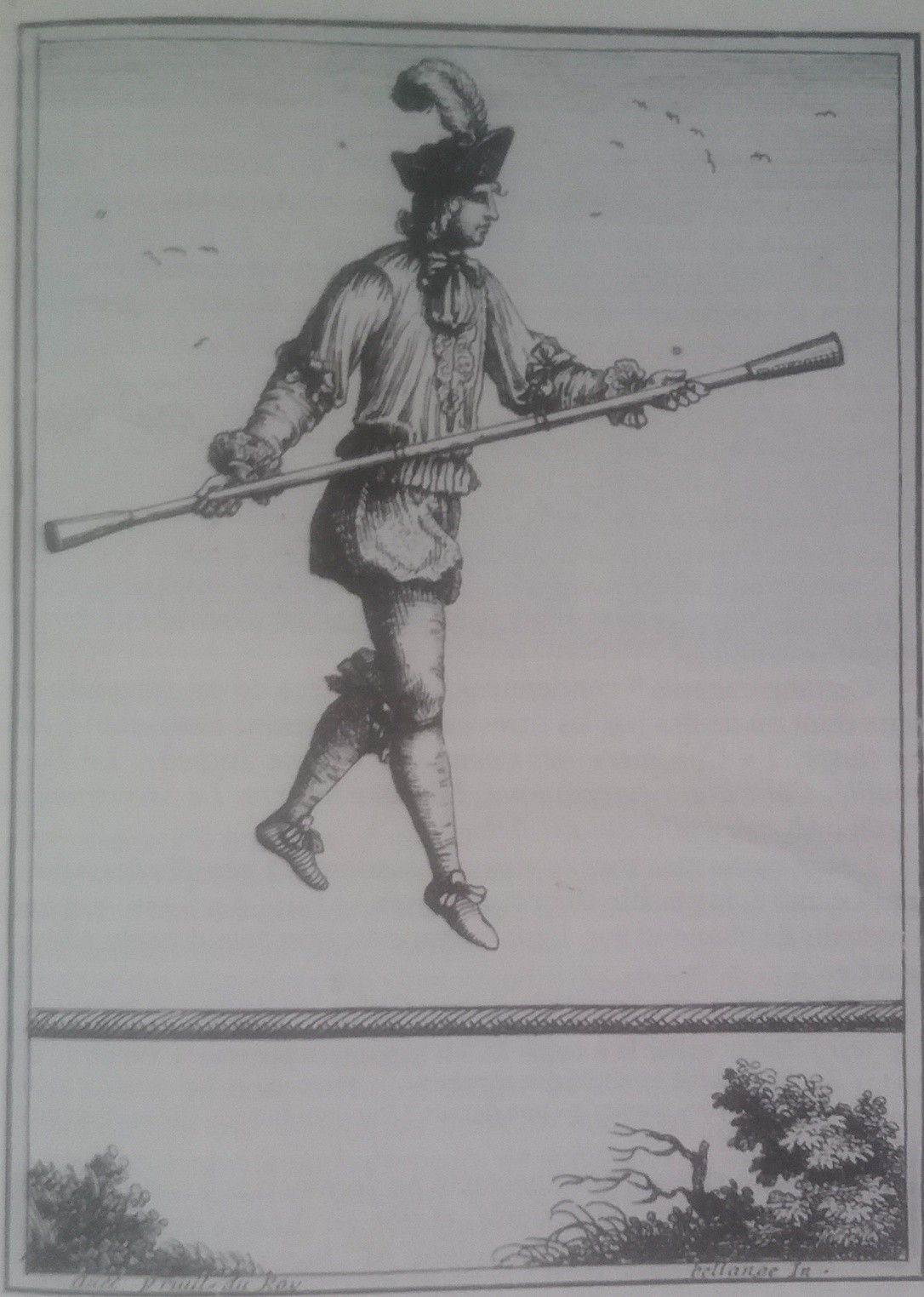
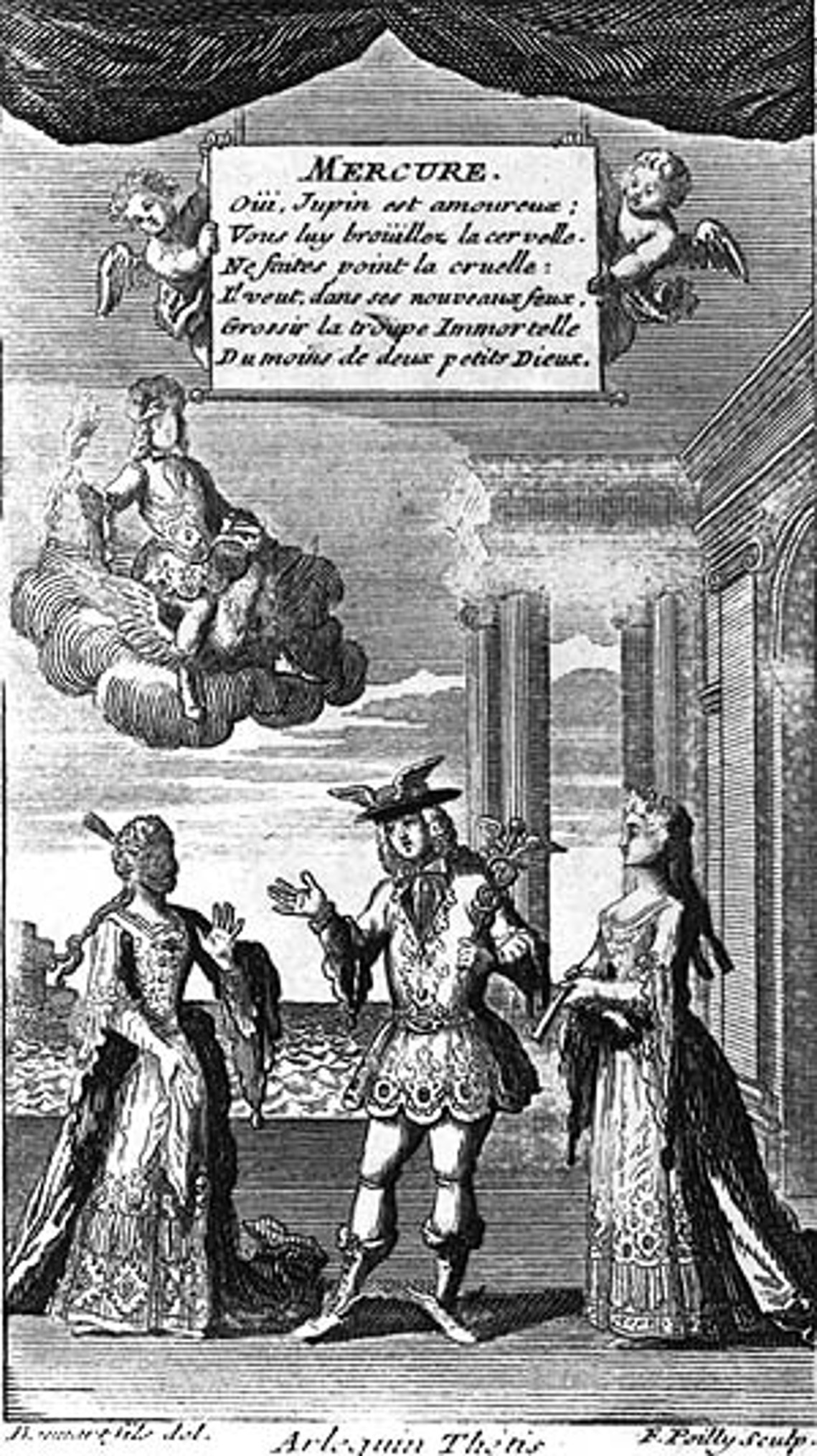
The essay examines the development of scholarship on the Commedia dell’Arte, beginning with the seminal bibliography compiled by Thomas F. Heck in 1988, which organized and systematized a vast body of sources and studies. From this perspective, it first revisits the golden age of Commedia dell’Arte historiography (1969–1990), highlighting the contributions of scholars such as Roberto Tessari, Ferdinando Taviani, Cesare Molinari, and Siro Ferrone. Different interpretations of the phenomenon emerge: on the one hand, the centrality of masks and improvisation; on the other, attention to theatrical companies, actors, and production contexts. Commedia dell’Arte is presented as an expression of early modern European theatrical professionalism, characterized by continuous cultural exchanges. Particular emphasis is placed on the use of iconographic sources to reconstruct performance practices and acting styles, especially in the case of the Comédie-Italienne in Paris. The essay nevertheless underscores the difficulty of studying acting in concrete terms because of the scarcity of direct evidence. It then turns to the Parisian fairground theatres, which were strongly influenced by the Italian tradition but remain insufficiently explored from a performative perspective. Finally, through the figure of Pierre-François Biancolelli, the essay shows how dramaturgy can become a tool for indirectly reconstructing an actor’s work. In conclusion, it highlights the importance of combining documentary rigor with historical imagination in the study of theatre and performance.
BIOGRAFIA
Renzo Guardenti insegna Discipline dello spettacolo presso l’Università di Firenze. Ha insegnato come professore invitato all'Université de Paris 3 Sorbonne Nouvelle, all'Université de Caen-Basse Normandie e all'Universitatea Babeș-Bolyai di Cluji-Napoca. Specialista di iconografia teatrale, si è interessato alla Commedia dell'Arte in Francia, al Théâtre de la Foire, ai grandi attori europei dell'Ottocento, in particolare a Sarah Bernhardt. È responsabile scientifico dell’Archivio digitale di iconografia teatrale Dionysos. Dirige le collane Quaderni di Dionysos (Bulzoni) e Atlanti per la storia dello spettacolo (Titivillus) e, con Siro Ferrone, la rivista cartacea e digitale «Drammaturgia». Tra le sue pubblicazioni si segnalano i volumi: Gli italiani a Parigi. La Comédie Italienne (1660-1697). Storia, pratica scenica, iconografia (1990); Le fiere del teatro. Percorsi del teatro forain del primo Settecento. (1995); Attori di carta. Motivi iconografici dall’antichità all’Ottocento (2005); Sguardi sul teatro. Saggi di iconografia teatrale (2008); In forma di quadro. Note di iconografia teatrale (2020); Atlante iconografico. La Commedia dell’Arte (2023).
GALLERIA


 Scarica l'articolo